

THOUGH FRIENDS MAY LEAVE AND LIVES MAY CHANGE, FAITHFUL WE SHALL ALWAYS BE.

seventy fifth anniversary logo photograph of ULM sign at night

articles
ULM's campus blossoms

Originally published in The News-Star newspaper, March 26, 2006

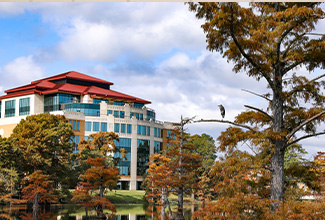
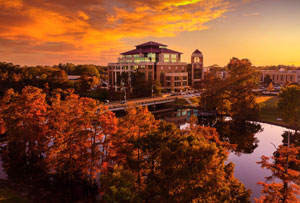
The first day of spring was last week, and you can see its beginnings on campus with blooming azaleas and dogwoods, multiple beds of tulips and pansies surrounding Scott Plaza, as well as all sorts of other flowers and trees waking up to the season.

Remember, however, that ULM started in what was a large field. There were no sidewalks, no paved circular driveway, no grass - only boards and dirt. In later years C.C. Colvert remarked that there were even cotton stalks still standing on the campus when classes began. But the campus didn't stay that way for very long. In March of 1932, the PowWow reported that L.P. Stringer had received a contract for shrubbery on the front and sides of Administration (now T.O. Brown Hall). The ovals in front of the gymnasium and auditorium (yes, the same ovals that are there today) were filled with Japanese boxwood, Red Radiance roses and Spring Greek juniper, and the front terrace was decorated with evergreens and flowering plants. In addition 20 pin oaks were planted along DeSiard Street in front of the campus.

In 1935, the PowWow reported that a cherry tree had sprouted as a small shrub in the front section of campus. It was ordered destroyed, but for some reason the order was not carried out. This little tree was trimmed and cared for, and then prized as the original natural tree on the campus. During those years it provided an example of survival and growth which paralleled the college's own.

Over the years the grounds were cared for under the direction of M.V. Irby from 1936-49 and then by Hurvie M. Moak, as they served as superintendent of buildings and grounds. As more buildings were built, more trees and landscaping features were added and many remain today. In some places you can see some of the early patterns, including the triangular planting of crepe myrtles at the corners of the Library and Fine Arts buildings.

One of the most noticeable plantings on campus is the pines. They stand tall now along the walks entering the Fine Arts and Library buildings. The story of the pines was told in the 1951 PowWow. In mid-winter of 1939, Mrs. James A. Noe, her 1-year-old daughter Linda Gay and her gardener Namon Shelbons planted pines along the walks in front of the new buildings. Some have said that students helped. In 1951 she repeated her performance by planting pines on the east side of the campus. Some of you will remember the row of pines that stood just to the west of the president's house as a remaining part of this planting. It was her hope that some day there would be the impression of a college nestled in a pine grove.

So, come out to ULM and enjoy the spring blooms ... and walk under the pines as so many generations of students did before you.

Have a great day at ULM.

Dr. John Knesel, ULM Professor

75th articles page

75th Anniversary Website 

© 2006 | www.ulm.edu